
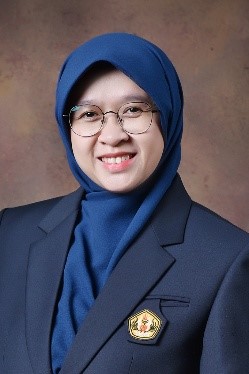
Calon Promotor Program Padjadjaran Excellence Fastrack Scholarship Tahun 2026
Nama Lengkap : Apt. Sofa Dewi Alfian, M.KM, PhD.
E-mail : [email protected]
Bidang Keahlian : Farmakoepidemiologi dan Kepatuhan Pengobatan
Prodi S2 Calon Mahasiswa: Farmasi
Prodi S3 Calon Mahasiswa: Farmasi
Judul Penelitian yang Ditawarkan:
Dinamika Tuntutan dalam Pengelolaan Penyakit Kronis: Kelelahan Terapi, Prioritas Penyakit, dan Kepatuhan Pengobatan pada Diabetes dan Hipertensi
Competing Demands in Chronic Disease Management: Treatment Fatigue, Disease Prioritisation, and Medication Adherence in Diabetes and Hypertension
Abstrak:
Pengelolaan penyakit kronis pada pasien dengan multimorbiditas menuntut pasien menjalankan pengobatan yang kompleks, seperti kunjungan berulang, perubahan gaya hidup, pemeriksaan kesehatan, dan regimen obat jangka panjang. Ketika beban tersebut melampaui kapasitas pasien (fisik, psikologis, sosial, finansial), maka pasien dapat mengalami treatment burden dan treatment fatigue (kelelahan/kejenuhan terhadap tuntutan terapi), yang berisiko menurunkan medication adherence dan outcome klinis. Kerangka Burden of Treatment Theory menekankan dinamika antara beban kerja layanan yang “dipindahkan” ke pasien dan kapasitas pasien untuk melaksanakannya; kelebihan beban ini berkaitan dengan risiko non-adherence. Proposal ini mengusulkan riset mixed-methods bertahap (multi-stage) di puskesmas untuk memahami “tuntutan yang saling bersaing” (competing demands) dalam pengelolaan diabetes dan hipertensi, melalui tiga tahap: (1) systematic review untuk memetakan faktor yang memengaruhi treatment fatigue dan disease prioritisation pada pasien dengan multimorbiditas serta hubungan keduanya dengan medication adherence; (2) studi kuantitatif di puskesmas untuk mengestimasi prevalensi treatment fatigue dan medication non-adherence serta menguji faktor sosiodemografi, klinis, psikososial, treatment fatigue dan disease prioritisation terhadap medication adherence; (3) studi kualitatif di puskesmas untuk menggali proses penentuan prioritas penyakit dan pengambilan keputusan kepatuhan saat mengalami treatment fatigue. Hasil yang ditargetkan meliputi: (i) bukti sintesis tentang mekanisme treatment fatigue dan disease prioritisation terkait adherence, (ii) estimasi prevalensi dan model asosiasi/mediasi/moderasi yang relevan untuk layanan primer, (iii) penjelasan kualitatif tentang logika prioritas pasien, (iv) rekomendasi intervensi yang realistis untuk puskesmas/PROLANIS. Integrasi temuan lintas tahap ini akan mengikuti prinsip integrasi mixed methods untuk menghasilkan rekomendasi yang implementatif.
Abstract:
Managing chronic diseases in patients with multimorbidity requires navigating complex treatment regimens, including repeated healthcare visits, lifestyle modifications, routine monitoring, and long-term medication use. When these demands exceed a patient’s capacity, that is, physically, psychologically, socially, and financially, patients may experience treatment burden and treatment fatigue, which can undermine medication adherence and clinical outcomes. The Burden of Treatment Theory highlights the dynamic interplay between the workload of care shifted onto patients and their capacity to manage it; an imbalance in this relationship increases the risk of non-adherence. This proposal outlines a multi-stage mixed-methods study in primary care settings (puskesmas) to examine “competing demands” in the management of diabetes and hypertension. The study comprises three phases: (1) a systematic review to map factors influencing treatment fatigue and disease prioritisation among patients with multimorbidity, and their relationship with medication adherence; (2) a quantitative study in primary care to estimate the prevalence of treatment fatigue and medication non-adherence, and to assess the associations of sociodemographic, clinical, and psychosocial factors, as well as treatment fatigue and disease prioritisation, with medication adherence; and (3) a qualitative study to explore how patients prioritise conditions and make adherence-related decisions when experiencing treatment fatigue. The expected outputs include: (i) synthesized evidence on the mechanisms linking treatment fatigue and disease prioritisation to adherence; (ii) prevalence estimates and association/mediation/moderation models relevant to primary care; (iii) in-depth qualitative insights into patients’ prioritisation logic; and (iv) practical, context-sensitive intervention recommendations for primary care programs, including PROLANIS. Integration of findings across phases will follow mixed-methods integration principles to generate actionable and implementable recommendations.